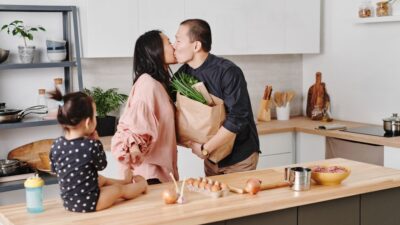
The Evolution of Meal Prep
Meal prepping has taken on a life of its own in 2026. With more families juggling work-from-home schedules, hybrid schooling, and bustling extracurricular calendars, preparing meals ahead of time has become both a necessity and an art form. Gone are the days when meal prep was just about saving time. Today, it’s about enhancing flavor, maximizing nutrition, and even reducing your carbon footprint.
Why Meal Prep? It’s More Than Convenience
Some might think meal prep is simply about convenience, but there’s so much more on the table. In 2026, meal prep is a holistic approach to family health and sustainability. By preparing meals in advance, families can ensure they’re consuming well-balanced diets that are tailored to individual nutritional needs. This involves incorporating more local produce—like the fresh greens you can snag at the Pike Place Market in Seattle or the farm-to-table offerings in Austin, Texas.
Moreover, meal prepping is a strategic move to combat food waste. With smart refrigerators that suggest recipes based on your inventory, you’re more likely to use those forgotten ingredients lurking in the back. By planning, cooking, and storing meals ahead, families contribute to a more sustainable planet.
Setting Up Your Meal Prep Station
The key to successful meal prepping is having the right tools and a well-organized kitchen. Start by investing in quality storage containers, preferably glass or BPA-free plastic. Stackable options are great for maximizing fridge space. Next, ensure your kitchen is stocked with basic utensils like sharp knives, cutting boards, and measuring cups.
- Smart Appliances: In 2026, kitchen technology is your ally. Smart ovens and stovetops can be programmed to start cooking while you’re still at soccer practice with the kids.
- Label Makers: A small investment in a label maker can save time and sanity. Clearly label each container with the meal name and date.
- Spice Rack: A well-stocked spice rack can turn any bland dish into a culinary masterpiece. Rotate spices seasonally and experiment with global flavors like harissa or za’atar.
Creating a Balanced Meal Prep Menu
Building a meal prep menu that caters to your family’s preferences and nutritional requirements might seem daunting, but it’s simpler than it sounds. Begin by planning meals around a core ingredient, such as chicken, tofu, or legumes, and build a theme for the week. For instance, a Mediterranean week can include Greek salads, falafel wraps, and couscous bowls.
Don’t forget to incorporate a variety of colors and textures. Aim for meals that not only taste great but look appealing too. A vibrant rainbow bowl with quinoa, roasted veggies, and avocado can be both visually stimulating and delightful to eat.
Time-saving Techniques for Meal Prep
Time is of the essence, especially for busy parents. Here are a few techniques to make meal prepping less time-consuming:
- Batch Cooking: Prepare large quantities of staple foods like grilled chicken, brown rice, or roasted vegetables. These can serve as a base for several meals throughout the week.
- Instant Pot Magic: Utilize the Instant Pot for quick meals like soups, stews, or beans. Its multi-functionality reduces the need for multiple gadgets.
- Pre-chopping: Spend a little extra time peeling and chopping vegetables in bulk. Store them in individual containers for easy access during the week.
Involving the Whole Family
Meal prepping doesn’t have to be a solo endeavor. Involve your family to make it a fun and educational activity. Kids can help wash vegetables or mix ingredients, turning meal prep into quality family time. You can even set up a small herb garden with your children, cultivating basil, mint, or parsley to use in your weekly dishes.
Delegating tasks not only eases your workload but also teaches children valuable life skills. Plus, kids are more likely to eat meals they had a hand in preparing. It’s a win-win situation that encourages healthy eating habits from a young age.
Practical Takeaway: Consistency is Key
Mastering meal prep in 2026 is about more than just making meals ahead. It’s about creating a routine that fits seamlessly into your lifestyle. Start small—perhaps by prepping just a few meals a week—and gradually build up as you find your rhythm. Consistency is key to making meal prep a sustainable and enjoyable part of your family’s life.