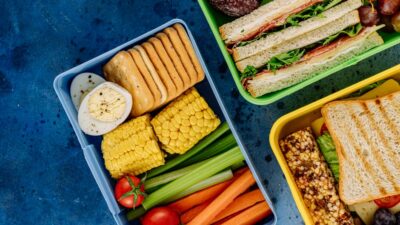
Why Homemade Meals Matter More Than Ever in 2026
As we embrace the year 2026, the landscape of our daily lives is a fascinating blend of past traditions and futuristic advancements. While technology has provided us with numerous conveniences, the allure and benefits of homemade meals have never been more significant. With families seeking stronger connections, healthier lifestyles, and budget-friendly options, cooking at home has become a cherished practice that nurtures both body and soul.
The Health Benefits of Cooking at Home
In 2026, health consciousness is at an all-time high. The global focus on well-being has underscored the importance of nutrition, and homemade meals are perfectly tailored to meet these needs. When you cook at home, you have complete control over the ingredients. This means you can prioritize fresh vegetables, lean proteins, and whole grains, steering clear of the preservatives and additives often found in processed foods.
Consider the impact of a simple homemade dish like a vegetable stir-fry. Packed with vitamins and minerals, it provides the nutrients your family needs without any hidden sugars or unhealthy fats. Furthermore, a study by the Global Health Institute in 2025 found that families who regularly eat homemade meals are 25% less likely to suffer from lifestyle-related diseases such as obesity and diabetes.
Strengthening Family Bonds
Amidst the hustle and bustle of 2026, family time is more precious than ever. Cooking at home provides a unique opportunity to slow down and reconnect. Gathering in the kitchen to prepare meals is a time-honored tradition that fosters communication and collaboration.
In cities like Austin, Texas, family cooking classes have surged in popularity, offering parents and children a chance to learn and create together. These shared experiences in the kitchen are not just about making food; they’re about making memories. The laughter over a pancake flip gone wrong or the shared satisfaction of a perfectly roasted chicken strengthens familial ties in ways that digital communications can never replicate.
Economic Advantages
The economic realities of 2026 have made budgeting a priority for many households. With inflation rates averaging 3.5% and the cost of dining out rising significantly, homemade meals offer a financially savvy alternative. By buying in bulk and planning meals ahead of time, families can cut grocery costs by up to 30%.
Take, for example, the versatile and budget-friendly pasta. A homemade pasta dish using local, seasonal ingredients can cost under $5 per serving, compared to $15 at a restaurant. This significant saving allows families to allocate resources toward other priorities, such as education or travel.
Environmental Impact
The sustainability movement in 2026 has gained tremendous momentum, and homemade meals contribute positively to this cause. By choosing to cook at home, families can significantly reduce their carbon footprint. They have the power to select local produce, minimize packaging waste, and compost kitchen scraps.
In Portland, Oregon, community-supported agriculture (CSA) programs have flourished, connecting residents directly with local farmers. This not only supports local economies but also ensures that food travels a shorter distance from farm to table, reducing emissions. Participating in such initiatives while cooking at home aligns perfectly with environmentally conscious living.
Culinary Creativity and Learning
Homemade meals allow for culinary exploration and creativity. With the vast array of online resources available in 2026, anyone can become a home chef, experimenting with global cuisines and new ingredients. Websites like “Family Flavor Fusion” offer endless recipes that are both easy to follow and delicious.
Cooking at home is also an educational experience. Children can learn essential skills such as measuring, timing, and understanding nutrition. Moreover, experimenting with ingredients from different cultures fosters appreciation and understanding of global diversity.
Bringing It All Together
As we navigate the complexities of life in 2026, homemade meals stand out as a beacon of health, connection, and sustainability. By cooking at home, we not only take charge of our well-being but also foster stronger family ties, save money, and contribute positively to the environment.
Practical Takeaway: Make a commitment to cook at least three homemade meals a week. Begin with simple, family-friendly recipes, and gradually expand your culinary repertoire. You’ll soon discover the joy and benefits that come with each dish prepared with love and care.