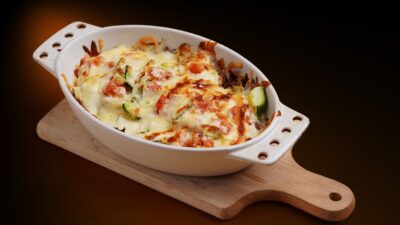
A Complete Guide to Making Homemade Pasta with Kids
Imagine the joy of crafting a meal that’s both fun and delicious, right in your own kitchen. Making homemade pasta with kids is a fantastic way to bond, teach, and create something delicious from scratch. You’ll not only end up with a tasty meal but also a memory that lasts a lifetime. Here’s how you can embark on this culinary adventure with your little ones.
The Ingredients: Simple and Fresh
Before you start, gather your ingredients. Homemade pasta demands just a few basic components, which makes it perfect for involving kids. You’ll need:
- Flour: All-purpose or ’00’ flour works best. ’00’ flour is finer and gives a silkier texture.
- Eggs: Use fresh, large eggs. Typically, it’s one egg for every 100 grams of flour.
- Salt: A pinch to enhance flavor.
- Olive oil: Optional, but it adds richness.
Set these out on your counter, within easy reach of little hands, allowing your kids to help measure and pour. Involving them in the preparation not only teaches them about cooking but also enhances their counting and measuring skills.
Mixing and Kneading: Let’s Get Messy
Pasta making is a tactile experience, perfect for kids who love to get their hands messy. Begin by making a mound of flour directly on your clean countertop. Create a well in the center and crack the eggs into it. Add a pinch of salt and a splash of olive oil.
Now, it’s kneading time. Show your kids how to gently mix the eggs with a fork, gradually pulling in the flour from the edges. Once it becomes too stiff for the fork, it’s time to knead by hand. Kneading should take about 10-15 minutes. You’re aiming for a smooth, elastic dough. If it feels too sticky, sprinkle a little more flour; if too dry, add a drop of water. This is where patience pays off, and your kids can learn about the transformation of textures.
Resting the Dough: A Lesson in Patience
Once the dough is ready, it needs to rest. Wrap it in cling film and let it sit for at least 30 minutes. This downtime is essential as it allows the gluten to relax, making the dough easier to roll out.
Use this time to prepare simple sauces, set the table, or take a breather. It’s also a great chance to talk to your kids about the science of cooking, explaining why the dough needs to rest. This pause can help teach patience—an invaluable skill in the kitchen and life.
Rolling Out the Dough: The Fun Begins
After resting, it’s time to roll out the dough. Divide it into four pieces. Keep unused portions covered to prevent drying out. If you have a pasta machine, this is where it comes into play. Otherwise, a rolling pin works just fine.
Show your kids how to flatten the dough, starting with the thickest setting on a pasta machine, or just rolling it thin with a pin. Encourage them to take turns. Rolling pasta is where the transformation truly shines, as the dough stretches and becomes thin enough to see light through.
Cutting and Shaping: Unleash Creativity
This is often the kids’ favorite part. Once the dough is rolled out, it’s time to cut and shape it. For tagliatelle, simply fold the dough over itself and slice thin strips with a knife. For something a bit more creative, try ravioli or farfalle (bow-tie) pasta. Use cookie cutters for fun shapes, turning pasta making into an art project.
Let your kids choose their favorite shapes and sizes. This step is not only creative but also teaches precision and attention to detail, as they carefully cut and shape the dough.
Cooking and Tasting: The Ultimate Reward
Bring a large pot of salted water to a boil, and gently drop in the pasta. Fresh pasta cooks quickly, usually within 3-5 minutes. Keep a close eye and taste-test for perfect al dente.
As the pasta cooks, your kitchen will fill with the rich aroma of homemade goodness. Drain it, toss with your favorite sauce, and sprinkle with Parmesan cheese. Gather around the table and celebrate this delicious creation. Encourage your kids to taste their hard work, appreciating the fruits of their labor.
And there you have it—a delightful, educational, and tasty activity that turns a simple meal into an unforgettable family experience.