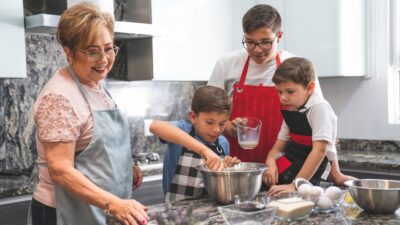
5 Simple Ways to Involve Your Kids in Cooking
Cooking with kids can be a delightful adventure filled with flour-covered noses, giggles, and sometimes a little chaos. As we navigate 2026, the kitchen remains a hub of family connection, creativity, and learning. Teaching your kids to cook not only equips them with essential life skills but also fosters a love for food and an understanding of nutrition. Here are five ways to make cooking a family affair, turning meal prep into a shared, joyful experience.
1. Start with Simple Recipes
Introducing kids to cooking doesn’t have to be complicated. Simple recipes are a great way to ensure early success and keep their interest piqued. Consider starting with classic dishes like homemade pizza or chocolate chip cookies. For a wholesome twist, try a fruit salad with a mix of seasonal fruits available at your local farmers’ market. These recipes allow kids to practice measuring and mixing, two foundational skills that build confidence.
For instance, making pizza together can be both educational and fun. Let them decide on the toppings, whether it’s pepperoni, mushrooms, or just a heap of cheese. You’ll be amazed at how creative they can get! Plus, this activity secretly sneaks in some math skills as they measure ingredients.
2. Assign Age-Appropriate Tasks
Every child can contribute to the cooking process, no matter their age. Toddlers, for example, can help wash vegetables or stir ingredients in a bowl. Older kids may enjoy tasks like chopping soft foods with a kid-safe knife or cracking eggs. Assigning tasks based on their age and ability not only makes them feel involved but also teaches responsibility.
For the little ones, washing vegetables at the kitchen sink in your family home in Portland can be an exciting splash zone. Meanwhile, older siblings might experiment with grating cheese or zesting citrus fruits for a recipe. The key is to give them responsibilities that match their skills while gently pushing their boundaries to learn new ones.
3. Create a Themed Meal Night
Transforming dinner into a themed event can make the cooking process a whole lot of fun. Choose a theme together—perhaps a Mexican fiesta complete with tacos and guacamole or an Italian night featuring pasta and garlic bread. Let your kids research the dishes and select the recipes for the night.
This method encourages them to learn about different cultures and cuisines. Imagine your kitchen adorned with colorful decorations as you all prepare a Hawaiian luau feast. Engage them in decorating and setting the table to match the theme. The anticipation of not just cooking but also celebrating together brings a festive spirit to your home every week.
4. Turn Grocery Shopping into a Learning Experience
The cooking process starts well before you enter the kitchen. Taking your kids grocery shopping can be an educational experience, teaching them about ingredients, budgeting, and nutrition. Turn it into a scavenger hunt where they have to find items from a list.
While exploring Seattle’s bustling Pike Place Market, your kids can learn to select ripe produce or choose the best cuts of meat. Encourage them to ask vendors questions about where the food comes from. This not only makes them more conscious eaters but also adds excitement to the shopping process, making it a critical part of their cooking journey.
5. Celebrate Their Creations
Finally, make sure to celebrate the fruits of their labor. Hosting a family dinner where the kids’ dishes are the highlight can be incredibly rewarding. Encourage them to present their creations, explaining how they made each dish.
For example, if your child has mastered the art of baking a moist banana bread or whipping up a delightful stir-fry, let them share their experience and any secret ingredients they might want to reveal. This not only boosts their confidence but also makes them more eager to learn and try more complex recipes in the future.
Practical Takeaway
Engaging your children in cooking is a rewarding endeavor that goes beyond the kitchen. By incorporating simple recipes, assigning age-appropriate tasks, creating themed meal nights, involving them in grocery shopping, and celebrating their creations, you nurture their creativity and foster important life skills. So, roll up your sleeves, give them the freedom to experiment, and watch as they learn, grow, and maybe even teach you a thing or two in the process!